


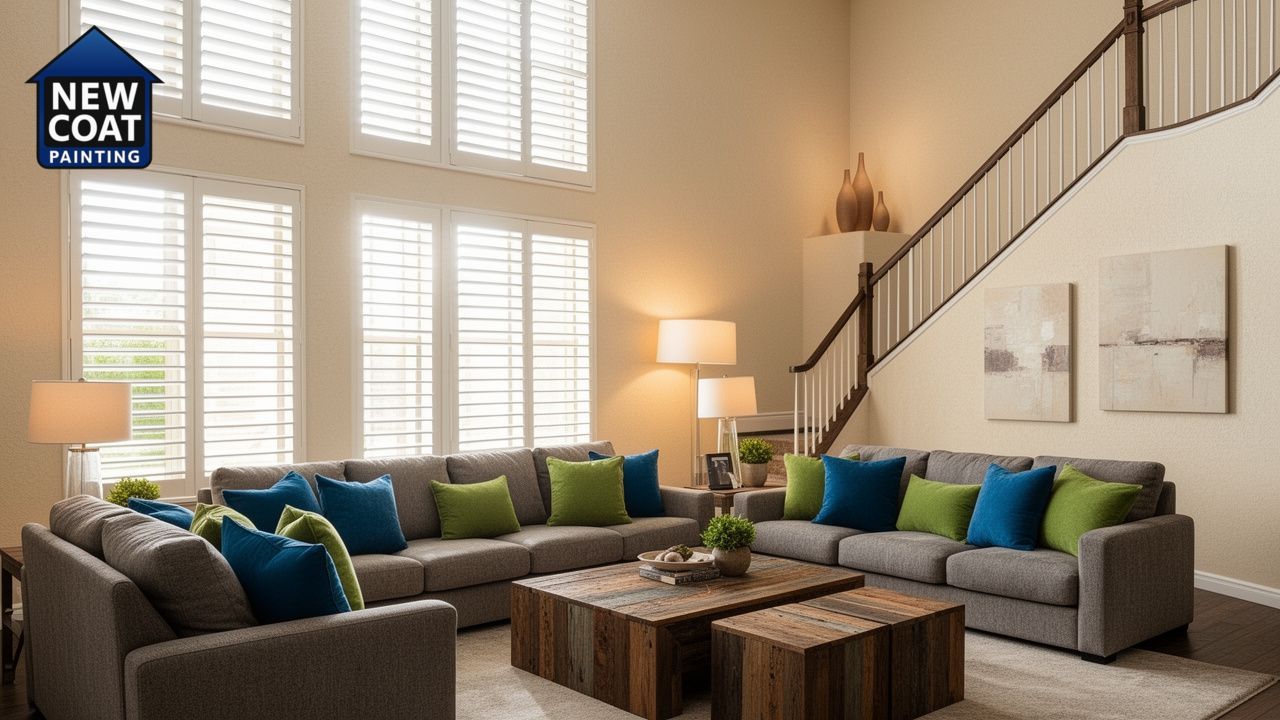
The total cost to paint the interior of a 2,000-square-foot house typically falls between $4,000 and $11,000. Most property owners find the median expense for a standard project, including walls, ceilings, and trim, to be approximately $7,200. This price range accounts for professional labor, high-quality materials, and the necessary preparation work required to ensure a lasting finish. Every home presents unique challenges, such as vaulted ceilings or extensive wall repairs, which can shift the final investment toward the higher end of the scale.
Understanding how much it costs to paint a 2,000-square-foot house requires looking at the specific surfaces involved. A basic wall-only refresh is more affordable than a project that includes doors, window frames, and detailed crown molding. Experience in the field suggests that labor makes up about 70 percent to 80 percent of the total bill, while the remaining 20 percent to 30 percent covers paint and supplies. This guide provides a comprehensive breakdown of the variables, market rates, and preparation steps necessary to plan a successful interior painting project.
Calculating Interior Painting Cost Per Square Foot
Estimating by floor area is a standard industry practice for quick budget planning. Data provided by Angi suggests that the interior painting cost per square foot usually ranges from $2.00 to $6.00. For a 2,000-square-foot home, this reflects the actual surface area of the walls rather than just the footprint of the floor. Because walls are vertical, a room with a 100-square-foot floor might have 300 to 400 square feet of wall space, depending on the ceiling height.
When professional estimators visit a property, they measure each room to determine the exact paintable surface area. This calculation excludes windows and doors unless those features are also part of the work order. High-quality interior painting services often include a detailed walk-through to identify areas that need extra attention, such as large cracks in the drywall or stains that require specialized primers.
Breakdowns for Whole House Interior Painting Cost
The total whole-house interior painting cost depends heavily on how many rooms are included and the complexity of the architectural details. A house with an open floor plan might cost less than a traditional layout with many separate rooms, hallways, and closets, as open spaces allow painters to work more efficiently.
|
Project Scope |
Estimated Price Range |
Average Duration |
|---|---|---|
|
Walls Only (Two Coats) |
$3,500 – $5,800 |
3 – 5 Days |
|
Walls and Ceilings |
$4,800 – $7,200 |
4 – 6 Days |
|
Full Trim, Doors, and Walls |
$7,000 – $10,500 |
6 – 8 Days |
|
Premium Service (Cabinetry and Detailed Molding) |
$11,000 – $15,000+ |
10+ Days |
Many homeowners choose to phase their projects to manage the financial commitment. Starting with the primary living areas and kitchen before moving to the bedrooms can make the process more manageable. However, booking the entire house at once often results in a lower per-room rate because the crew can optimize their setup and drying times across the whole property.
Bonus Tip: Schedule interior painting during the “off-season,” typically late autumn or winter. Some professionals offer better rates during these months when demand for exterior work drops.
Factors That Influence Professional Interior Painting Cost
Several variables can cause the interior house painting cost to fluctuate significantly from the national average.
Ceiling Height and Accessibility
Standard eight-foot ceilings are the baseline for most estimates. If a home features ten-foot or twelve-foot ceilings or vaulted entryways that require scaffolding, the labor cost increases. Professionals must spend more time moving equipment and working at heights, which naturally extends the project timeline.
Current Wall Condition
Prep work is the most time-consuming part of a high-quality job. If a home has significant drywall damage, peeling paint, or outdated wallpaper that needs removal, the price will rise. According to a cost guide from Forbes Home, wallpaper removal alone can add $0.50 to $1.50 per square foot to the labor total.
Color Choice and Coverage
Changing a wall from a very dark color to a very light one often requires a dedicated primer coat plus two coats of finish paint. This increases both the material volume and the labor hours. Conversely, refreshing a room with the same color or a similar tone might only require two standard coats without a separate priming step.
Material Quality and Selection
The type of paint chosen impacts both the immediate price and the long-term durability of the finish. Low-grade paints may seem like a bargain, but they often require more coats to achieve full coverage and tend to scuff or fade faster.
Market research from Fixr indicates that professional-grade paint typically costs between $40 and $80 per gallon. A 2,000-square-foot home usually requires 15 to 25 gallons of paint for the walls, depending on the layout and the number of coats. Using premium formulas with low or zero Volatile Organic Compounds (VOCs) is often preferred for interior spaces to minimize odors and improve indoor air quality.
Bonus Tip: Always buy an extra gallon of the final color for future touch-ups. Paint batches can vary slightly, so having a gallon from the original mix ensures a perfect match later on.
Things to Consider Before Making a Decision
Before hiring a team, property owners should evaluate the specific needs of the household. Interior painting is a disruptive process that requires moving furniture and living around wet surfaces for several days.
- Timeline: Does the project need to be finished before a specific date, such as a holiday or a move-in?
- Occupancy: Can the residents stay elsewhere, or will the crew need to work room-by-room to keep the house functional?
- Furniture: Will the homeowners move the furniture and wall decor, or is that a service the painting company should provide?
- Lead Paint: For homes built before 1978, testing for lead-based paint is mandatory. If found, specialized remediation protocols will increase the cost.
Evaluating these factors early helps in obtaining accurate quotes and prevents unexpected charges once the work begins. New Coat Painting LLC recommends getting at least three detailed estimates that break down the costs for labor, materials, and prep work separately.
Common Questions About Painting a 2,000-Square-Foot House
When looking into professional interior painting costs, many people wonder if doing the work themselves is a viable way to save money. While DIY painting saves on labor, it requires a significant investment in tools like ladders, drop cloths, tape, and sprayers. A professional crew often completes a 2,000-square-foot house in less than a week, whereas a solo homeowner might spend several weekends or weeks of evenings on the same task.
Another common inquiry involves the difference between flat, eggshell, and semi-gloss finishes. Generally, the sheen of the paint does not significantly change the labor price, but it does change how the room looks and functions. High-traffic areas like kitchens and hallways benefit from the washability of eggshell or satin finishes, while ceilings are almost always painted in a flat finish to hide imperfections.
Frequently Asked Questions
How long does it take to paint a house this size?
A professional crew of two or three people can usually complete the interior of a 2,000-square-foot house in four to seven days. This timeline includes one day for prep, several days for painting, and one day for final touch-ups and clean-up.
Is the cost of paint included in the estimate?
Most professional quotes include the cost of standard high-quality paint. However, if a homeowner requests a specific designer brand or specialized finishes, the contractor might charge an additional fee for the material price difference.
Should I paint the ceilings at the same time?
It is highly recommended to paint ceilings during the same project. Painting them later often results in “overspray” or “splatter” on the newly finished walls. Doing everything at once ensures a cohesive look and saves money on setup fees.
What is the most expensive part of interior painting?
Labor is the most significant expense. Specifically, detailed work like painting intricate crown molding, kitchen cabinets, or French doors takes much more time than rolling flat walls. This high labor demand drives up the price for detailed projects.
Summary of the Painting Process
Investing in a whole-home interior update requires balancing budget with the desired quality of the finish. The cost to paint the interior of a 2,000-square-foot house is a reflection of the labor intensity required to transform the space. By focusing on preparation, choosing durable materials, and understanding the market rates for your specific region, you can ensure a successful outcome. Always verify the insurance and licensing of any service provider before work begins. It is best to review the current condition of your walls and determine which surfaces need the most attention before requesting a final walkthrough.
Contact Professional Painters Today
If you need a precise estimate for your project, New Coat Painting LLC provides detailed consultations to help you understand your options. You can reach the team by calling (913) 223-1851 or sending an email to newcoatpaintingllc@gmail.com. We serve the local area with a commitment to quality and clear communication. Let New Coat Painting LLC handle the details of your next interior renovation.
Sources
- Forbes Home – Comprehensive guide on interior painting costs and factors that impact the final price.
- Angi – Detailed breakdown of labor rates and square footage pricing for residential painting.
- HomeAdvisor – Market data regarding the average costs for various home sizes and room types.
- Fixr – Technical analysis of material costs and surface preparation requirements for interior jobs.