


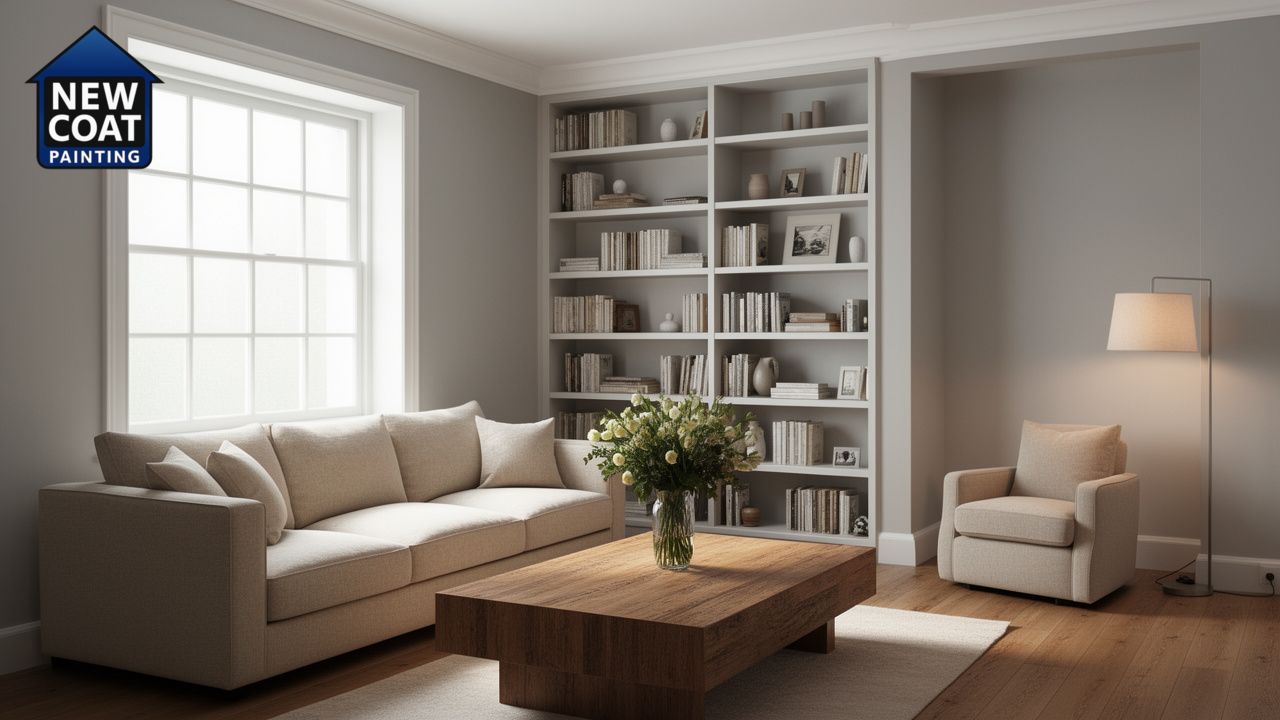
Updating a home’s interior remains one of the most effective ways to enhance its aesthetic appeal and market value. As we look toward 2026, the costs of hiring professional painters or tackling a project yourself continue to evolve based on material prices, labor availability, and regional economic trends. Understanding these costs involves more than just calculating a price per square foot; it requires assessing the condition of your walls, the quality of the paint selected, and the specific layout of your living space.
This guide provides a detailed look at what you can expect to pay for interior painting in 2026. You will find information on national averages, factors that drive prices, and specific room-by-room estimates. Whether you are preparing a house for sale or refreshing a dated color in the living room, knowing these figures helps you budget accurately and avoid unexpected expenses.
The following sections cover the different pricing models used by professionals, the cost of high-quality materials, and the hidden expenses that often catch homeowners off guard. You will also learn about the differences between DIY projects and professional results to help you decide which path fits your needs. This guide is built on extensive field experience and current market data to serve as a reliable resource for your next home improvement project.
By the conclusion of this article, you will understand how to calculate your own project costs, how to vet a contractor for a fair price, and how to ensure you receive the best value for your investment. The goal is to move from a place of uncertainty to a clear, actionable plan for your home.
Current Market Trends and 2026 Price Averages
The cost of home services has undergone steady changes over the last several years. According to a report on construction costs from Trading Economics, inflation continues to influence the price of raw materials and labor across the United States. For 2026, those planning to paint their interiors should expect a slight increase compared to previous years, largely driven by the cost of high-performance, low-VOC (volatile organic compound) paints and a competitive labor market.
On average, most homeowners in 2026 spend between $1,500 and $4,500 for a standard interior painting project. This range typically covers two to three rooms or a small apartment. If you are painting an entire 2,000-square-foot home, the price often falls between $5,500 and $11,000, depending on the complexity of the work.
Pricing Models Used by Professionals
Most painting contractors use one of three methods to calculate a quote. Understanding these models—which inform the service tiers in the following table—can help you compare bids more effectively.
- Square Footage of the Floor: This is a rough estimate often used for quick budgeting. Contractors might charge between $3.00 and $6.00 per square foot of floor space, assuming the walls are a standard height.
- Square Footage of the Walls: This is a more precise method that measures the actual surface area of the walls being painted. In 2026, the price per square foot generally ranges from $1.50 to $3.50.
- Price Per Room: Many companies offer flat rates for standard-sized rooms. This is common for bedrooms or bathrooms where the dimensions are predictable.
National Average Cost Table (2,000 Sq. Ft. Home)
|
Service Level |
Estimated Price Range |
Includes |
|
Basic |
$4,500 to $6,500 |
Walls only, minimal prep, two coats of standard paint. |
|
Mid-Range |
$7,000 to $10,000 |
Walls, ceilings, and basic trim; moderate prep work. |
|
Premium |
$11,000 to $15,000+ |
High-end finishes, extensive repair work, cabinets, and doors. |
Key Takeaway: While national averages provide a starting point, your specific location and the condition of your home are the primary drivers of the final bill. Always request a detailed breakdown of labor versus materials to understand exactly where your money is going.
Primary Factors That Influence Your Quote
No two homes are identical, and various factors will push your estimate toward either end of the price spectrum. Professional firms, such as New Coat Painting LLC, examine several variables during an evaluation to ensure the quote reflects the actual labor and materials required.
Wall Height and Accessibility
Standard eight-foot ceilings serve as the baseline for most quotes. If your home features vaulted ceilings, foyers with double-height walls, or stairwells, the price will increase. Higher walls require more ladders, scaffolding, and time for the painters to navigate safely. In 2026, expect a 15% to 25% premium for rooms with ceilings over ten feet tall.
The Condition of the Surfaces
Prep work is the most time-consuming component of a high-quality paint job. If your walls have cracks, holes from old artwork, or water damage, a contractor must repair these before any paint is applied. Sanding down rough textures or removing old wallpaper also adds significant labor hours. Surfaces in poor condition can easily double the labor cost of a project compared to “paint-ready” walls.
Paint Quality and Finish
The price of a gallon of paint can vary from $25 to over $100. High-performance paints that offer better coverage, durability, and washability cost more upfront but often require fewer coats. Data provided by Statista indicates that the demand for premium architectural coatings has risen as homeowners prioritize longevity and health-safe ingredients.
Different finishes also play a role in the total cost:
- Flat/Matte: Usually the most affordable option; excellent for hiding imperfections.
- Eggshell/Satin: Mid-range pricing; popular for living areas and hallways.
- Semi-Gloss/High-Gloss: More expensive; used for trim and doors because they are highly durable and easy to clean.
Color Choices
Changing a room from a dark color to a light color may require a dedicated primer coat plus multiple coats of the new paint. This increases both material costs and labor time. Additionally, some “trendy” colors require a specific tinted primer to achieve the desired aesthetic, which can add to the final bill.
Expert Tip: To save money on materials without sacrificing quality, ask your contractor about “contractor grades” of premium brands. These are often the same chemical formulas as retail versions but packaged for professional use at a slightly lower price point.
Labor vs. Materials: Breaking Down the Bill
In 2026, labor remains the largest expense in an interior painting project. Typically, labor accounts for 70% to 85% of the total cost, while materials make up the remaining 15% to 30%.
Labor Costs
Professional painters generally charge between $50 and $90 per hour per person. A crew of two can often finish a standard bedroom in four to six hours, including prep and two coats of paint. However, this rate covers more than just the person holding the brush; it includes:
- Liability insurance and workers’ compensation.
- Travel time and fuel costs.
- Professional equipment like sprayers, high-end rollers, and drop cloths.
- Administrative overhead and project management.
Material Costs
Beyond the paint itself, several other items are factored into the price. These include:
- Primer: Necessary for new drywall or major color changes ($20 to $50 per gallon).
- Caulk and Spackle: Used for filling gaps and holes ($5 to $15 per tube/tub).
- Masking Supplies: Tape, plastic sheeting, and paper used to protect floors and furniture.
- Sundries: Brushes, roller covers, and trays that may be discarded after the project.
According to pricing data from ProMatcher, the average cost of materials for a single room usually falls between $60 and $150, depending on the paint brand and the amount of trim involved.
Room-by-Room Cost Estimates
To help you visualize your budget, here is a breakdown of what specific rooms might cost to paint in 2026. These estimates assume professional handling and include labor and mid-range materials.
Bedrooms and Living Areas
- Small Bedroom (10×10): $400 to $800. These are straightforward projects with minimal furniture to move.
- Primary Bedroom (12×18): $700 to $1,200. The larger size and potential for a walk-in closet or ensuite bathroom entrance add to the timeline.
- Living/Family Room: $800 to $2,000. These rooms often have more windows, doors, and transitions, requiring more detailed work.
Kitchens and Bathrooms
- Standard Bathroom: $250 to $600. While small, bathrooms are difficult because of the tight spaces around toilets, tubs, and vanities. They also require moisture-resistant paint.
- Kitchen (Walls only): $500 to $900. Most kitchen wall space is covered by cabinets, so there is less open wall to paint, but significantly more “cutting in” around the edges.
- Kitchen Cabinets: $3,000 to $8,000. Painting cabinets is a specialized process involving degreasing, sanding, priming, and spraying. It is much more expensive than wall painting.
Common Add-ons
- Ceilings: $200 to $500 per room. Ceilings are often painted a flat white to hide imperfections and reflect light.
- Trim and Baseboards: $1.00 to $3.00 per linear foot. This is detail-oriented work that requires a significant amount of time.
- Doors: $75 to $150 per door. This includes the door frame and both sides of the door itself.
Regional Price Variations
Your location has a massive impact on the quotes you receive. Labor rates are closely tied to the local cost of living; for instance, painting a home in a major metropolitan area like New York City or San Francisco will cost significantly more than the same project in a rural part of the Midwest.
Data from the U.S. Bureau of Labor Statistics shows that wages for painters vary by as much as 50% between different states. In 2026, homeowners in high-cost states should prepare for hourly labor rates at the top end of the $70 to $90 range, while those in lower-cost areas might see rates closer to $40 or $50.
Impact of Seasonality
In many regions, interior painting is more popular during the winter months when exterior work is not possible. This can sometimes lead to “off-season” discounts, though many high-quality crews stay busy year-round. If you are flexible with your timing, you might find a contractor willing to offer a 5% to 10% discount to fill a gap in their schedule.
Key Takeaway: Always get at least three quotes from local contractors. This gives you a sense of the “going rate” in your specific area and helps you identify if a quote is suspiciously low or unnecessarily high.
Hidden Costs and Potential Surprises
Even with a detailed estimate, certain factors can emerge once work begins. Being aware of these helps you set aside a small “contingency fund” of about 10% of the total project cost.
Lead Paint Testing and Abatement in Older Homes
If your home was built before 1978, there is a chance it contains lead-based paint. Professionals are required by law to test for lead and follow specific safety protocols if it is detected. This can add several hundred or even thousands of dollars to a project due to the specialized equipment and disposal methods required.
Moving Heavy Furniture
Most painters expect rooms to be relatively clear. If the crew has to spend several hours moving a piano, a heavy china cabinet, or a king-sized bed, they will likely charge for that time. It is always more cost-effective to move small items yourself and leave only the largest pieces for the pros to slide into the center of the room.
Texture Removal or Addition
Removing a “popcorn” ceiling or a heavy wall texture is a messy and labor-intensive process. If you want to transition from a textured surface to a smooth, modern look, expect the cost to increase by $2.00 to $4.00 per square foot for the additional skimming and sanding required.
Detailed Trim and Crown Molding
If your home has ornate crown molding or multi-piece baseboards, the “cutting in” process takes much longer. Painting trim a different color or sheen than the walls requires a steady hand and more masking tape, which naturally increases the total labor hours.
[Link to: Pros and Cons of Different Ceiling Textures]
DIY vs. Professional Painting: Which is Best for You?
The decision to paint yourself or hire a professional usually comes down to three things: time, tools, and talent.
The True Cost of DIY
While you save on labor, you still must pay for materials. To paint a 12×12 room yourself, the materials, including paint, primer, and application tools, typically total around $230. Specifically, you will need:
- 2 gallons of paint: $100
- 1 gallon of primer: $40
- New brushes and rollers: $50
- Drop cloths and tape: $40
- Total: $230
However, you must also consider the value of your time. A professional might finish that room in five hours, whereas a DIYer might take twelve hours over a weekend, including time spent shopping and cleaning up. If you value your time at $30 an hour, the “cost” of your labor is $360, bringing your total investment to nearly $600.
The Value of Professional Work
New Coat Painting LLC utilizes specialized equipment that most homeowners do not own, such as commercial-grade sprayers and high-reach sanding tools. Professionals also have the experience to spot potential issues, like failing drywall or hidden mold, before they become more expensive problems.
|
Feature |
DIY |
Professional |
|
Initial Cost |
Low (Materials only) |
Higher (Labor + Materials) |
|
Time Investment |
High (Weekends/Evenings) |
Low (Crew finishes quickly) |
|
Finish Quality |
Variable (Depends on skill) |
High (Uniform and smooth) |
|
Clean-up |
You do it |
Included in the service |
|
Equipment |
Must buy or rent |
Provided by the contractor |
Expert Tip: If you decide to go the DIY route, do not skimp on the brushes. A $20 brush will last for years if cleaned properly and will provide a much smoother edge than a $5 disposable one.
How to Vet a Painting Contractor in 2026
Price is important, but it should not be the only factor in your decision. Hiring the cheapest bidder often leads to poor results, missed deadlines, or “ghosting” if the contractor realizes they underbid the job.
Check for Licenses and Insurance
In 2026, any reputable painting company should carry both general liability insurance and workers’ compensation. This protects you if a painter is injured on your property or if your floors are accidentally damaged. Ask to see a certificate of insurance before signing any contract.
Read Recent Reviews
Look for reviews from the last six to twelve months to get a better idea of how the company is currently operating. Pay attention to how they handle problems; a company that responds professionally to a negative review is often more trustworthy than one with only “perfect” (and potentially fake) feedback.
Get a Detailed Written Estimate
A professional quote should specify more than just a final price. It should outline:
- Which rooms are being painted?
- Exactly which surfaces are included (walls, ceilings, trim)?
- The brand and line of paint to be used.
- The number of coats being applied.
- The expected timeline for completion.
Future Trends: What’s Next for Interior Painting?
As we move through 2026, technology is starting to change the painting industry. “Smart” paints that can help regulate room temperature or absorb indoor pollutants are becoming more available, though they remain more expensive than traditional options.
There is also a growing shift toward sustainable practices. More homeowners are requesting zero-VOC paints to ensure better indoor air quality, especially in nurseries and bedrooms. Contractors are also focusing on reducing waste by using accurate digital estimating tools that prevent over-ordering materials.
The Role of Virtual Color Consultations
Many companies now offer AR (Augmented Reality) tools that allow you to see a color on your walls through your phone’s camera before the first drop of paint is applied. This reduces “color regret” that often leads to expensive repaints. Utilizing these tools can save you money by ensuring you get the color right the first time.
Expert Tip: If you are unsure about a color, buy a small sample pot and paint a large piece of poster board. Move it around the room at different times of the day to see how lighting affects the shade before committing to the full project.
Frequently Asked Questions About Interior Painting Costs
Is it cheaper to buy the paint myself?
Generally, no. Most professional painters receive a significant discount from major suppliers (often 20% to 40% off retail prices). Even if they mark up the paint slightly for handling, the total cost to you is usually the same or less than if you bought it yourself. Additionally, if you buy the wrong type of paint, the contractor may charge more to fix the resulting issues.
How many coats of paint are actually necessary?
In almost all cases, two coats are necessary for a durable, uniform finish. A single coat rarely provides full coverage and will likely show “holidays” (areas where the old color peeks through). The only exception is when using a high-end “one-coat” product over a very similar existing color.
Do I need to move out of my house while it’s being painted?
Most people stay in their homes. Modern low-VOC paints have very little odor and dry quickly. However, if you are sensitive to smells or if the project involves the entire house, you may want to stay in a hotel for a night or two, especially during the sanding and prep phases.
Should I paint the trim or the walls first?
Professionals typically paint the trim first. It is easier to be a little messy on the trim and then “cut in” the walls against the finished trim, which results in the sharpest lines where the two surfaces meet.
How much does it cost to paint a 1,500 square foot house?
In 2026, the average price for a 1,500-square-foot home (walls only) ranges from $4,000 to $7,000. Adding ceilings and trim will likely bring that range to $6,500 to $9,500.
[Link to: Why Professional Prep Work is Worth the Money]
Putting Your Interior Painting Strategy into Action
Knowing the costs of interior painting in 2026 is the first step toward a successful home transformation. By understanding the balance between labor and materials, recognizing the factors that drive prices, and preparing for hidden expenses, you can approach your project with confidence.
Remember that the lowest bid is not always the best value. Look for a contractor who provides a detailed estimate, carries the right insurance, and uses high-quality materials. Whether you decide to tackle a single room as a DIY project or hire a crew to refresh your entire home, the investment in high-quality paint and proper prep work will pay off through increased home value and a more beautiful living space.
Use the tables and checklists in this guide to compare your quotes and build a realistic budget. A well-planned painting project can breathe new life into your home, making it feel fresh, clean, and modern for years to come.
Need Expert Guidance?
If you are looking for a precise estimate tailored to your home’s unique features, New Coat Painting LLC is ready to assist. Providing clear communication and professional results is the standard for every project. For a consultation regarding your 2026 interior painting needs, contact the team at newcoatpaintingllc@gmail.com or call (913) 223-1851. Let’s work together to ensure your home looks its absolute best with a finish that lasts.
Sources
- HomeGuide – Interior Painting Cost – A comprehensive breakdown of national averages for various home improvement services, including per-room and per-square-foot painting costs.
- Trading Economics – United States Inflation – Provides current and historical data on the Consumer Price Index (CPI), which influences the cost of building materials and labor.
- Statista – Paint and Coating Shipments – Market research data showing trends in paint demand and the shift toward premium architectural coatings.
- ProMatcher – Painter Costs – A localized pricing tool that aggregates data from contractors across the country to provide average hourly and project-based rates.
- U.S. Bureau of Labor Statistics – Occupational Employment and Wages – The official government resource for wage data for painters and other construction trades across different states and metro areas.